
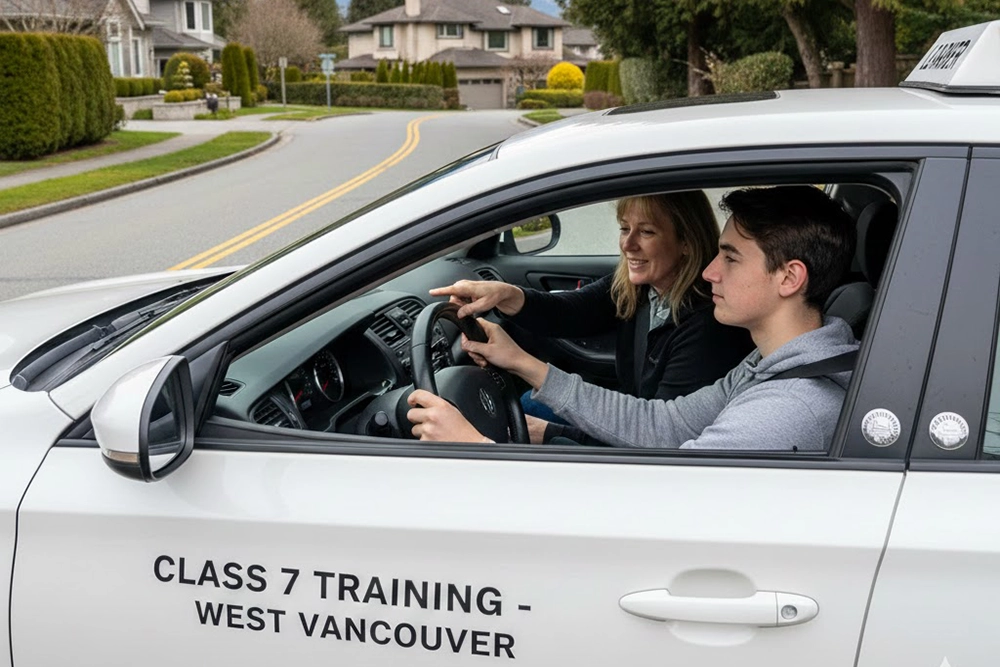
In west Vancouver, Class 7 Training provides new drivers with a unique opportunity to gain hands-on experience in real city conditions. This local approach allows learners to become familiar with the streets, traffic patterns, and driving culture specific to the area, helping them build confidence safely and effectively.
Class 7 Training in west Vancouver emphasizes practical experience over theory, enabling drivers to navigate a mix of bustling downtown roads, calm residential streets, and scenic coastal routes. By practising in the actual environments they will encounter daily, learners can adapt to local challenges and develop skills that go beyond standard driving lessons.
The purpose of this article is to guide readers through the driving environment of west Vancouver, highlighting local road conditions, key areas for practice, and tips for safe navigation. The training is structured to improve real-world driving readiness while avoiding details about registration or specific course content.
Importance of Class 7 Training in west Vancouver
Class 7 Training in west Vancouver gives new drivers the chance to learn in real city conditions, where streets, traffic signals, and local driving patterns are unique. Experiencing these roads firsthand helps learners develop confidence and practical skills that go far beyond classroom instruction.
Navigating west Vancouver’s mix of busy downtown streets, quiet residential neighbourhoods, and scenic coastal routes provides a balanced learning environment. By practising locally, drivers can better understand common challenges like merging onto busy roads, managing roundabouts, and responding to pedestrian activity. For more advanced context on foundational driving skills, learners can also explore Class 5 Training.
This local approach ensures that drivers are not only familiar with the technical aspects of driving but also with the city’s driving culture, seasonal road conditions, and real-world traffic scenarios. As a result, learners develop the confidence and skills needed to navigate daily roads safely and effectively.
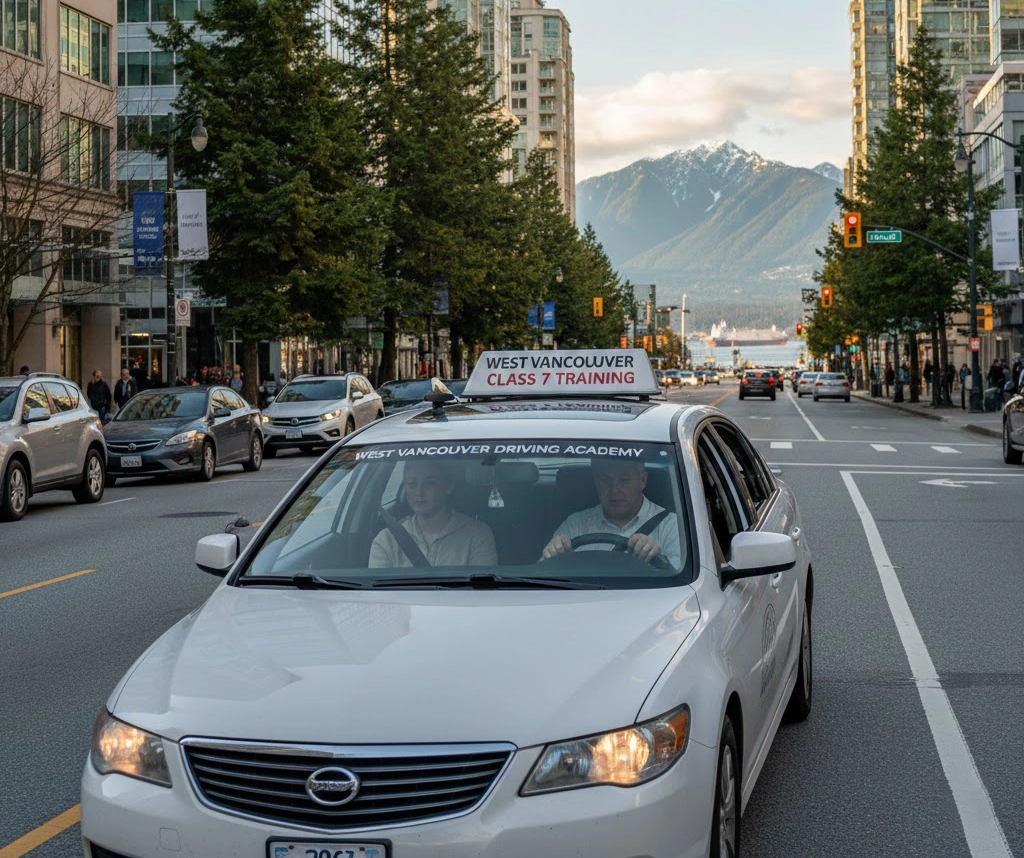
Key Routes and Training Areas for Class 7 Training in West Vancouver
Class 7 Training in west Vancouver focuses on providing learners with hands-on experience across a variety of local routes, ensuring practical familiarity with the city’s streets. From busy downtown avenues to quiet residential lanes and scenic coastal roads, every route is selected to reflect the real driving conditions that locals encounter daily.
Training on these local roads allows learners to understand traffic flow, signage, and neighbourhood-specific patterns, which are critical for building confidence and safe driving habits. For more detailed insights into the overall training approach, you can check school zone driving.
Key areas for practice include:
- Downtown streets – High-traffic zones ideal for practising merging, stopping, and lane changes.
- Residential neighbourhoods – Calm streets perfect for mastering turns, parking, and basic manoeuvres.
- Coastal and scenic routes – Moderate traffic routes that help learners adjust to changing road conditions and improve situational awareness.
By using Class 7 Training in west Vancouver, learners gain exposure to a diverse mix of routes, allowing them to experience real-world driving scenarios safely and efficiently.
Busy Traffic Routes in Class 7 Training in West Vancouver
Class 7 Training in west Vancouver includes sections on busy traffic routes, giving learners the chance to experience high-density streets safely. Practising in these areas helps drivers develop essential skills such as lane changes, merging, and anticipating the behaviour of other road users.
Exposure to busy routes also improves focus and decision-making under pressure, which is vital for navigating downtown areas and main thoroughfares. Local instructors emphasise situational awareness and defensive driving strategies to ensure learners are prepared for real-world traffic conditions.
Key benefits of practising on busy traffic routes include:
- Understanding traffic flow and peak hour patterns
- Improving reaction time to sudden stops or pedestrian crossings
- Building confidence in merging and lane navigation
- Learning defensive driving techniques suitable for urban environments
By incorporating Class 7 Training in west Vancouver’s busy routes, learners gain practical experience that prepares them for a variety of challenging driving scenarios.
Low-Traffic Routes for Beginners
Class 7 Training in west Vancouver also focuses on low-traffic routes, providing beginner drivers with a safe and controlled environment to practice essential skills. These quieter streets allow learners to build confidence in basic manoeuvres, parking, and turning without the pressure of heavy traffic.
Practising on low-traffic routes helps new drivers familiarise themselves with local road signs, residential speed limits, and neighbourhood-specific rules. It also provides the opportunity to develop smooth driving habits, such as gradual acceleration and careful lane positioning.
Some recommended low-traffic areas for beginners include:
| Route Type | Difficulty Level | Ideal For |
|---|---|---|
| Residential streets | Low | First-time drivers |
| Park access roads | Low | Practising turns and stops |
| Coastal scenic lanes | Medium | Gradual introduction to longer drives |
By using Class 7 Training in west Vancouver’s low-traffic routes, learners gain foundational experience in a relaxed setting while still adapting to local road conditions. This approach ensures that new drivers can progress safely before tackling busier streets.
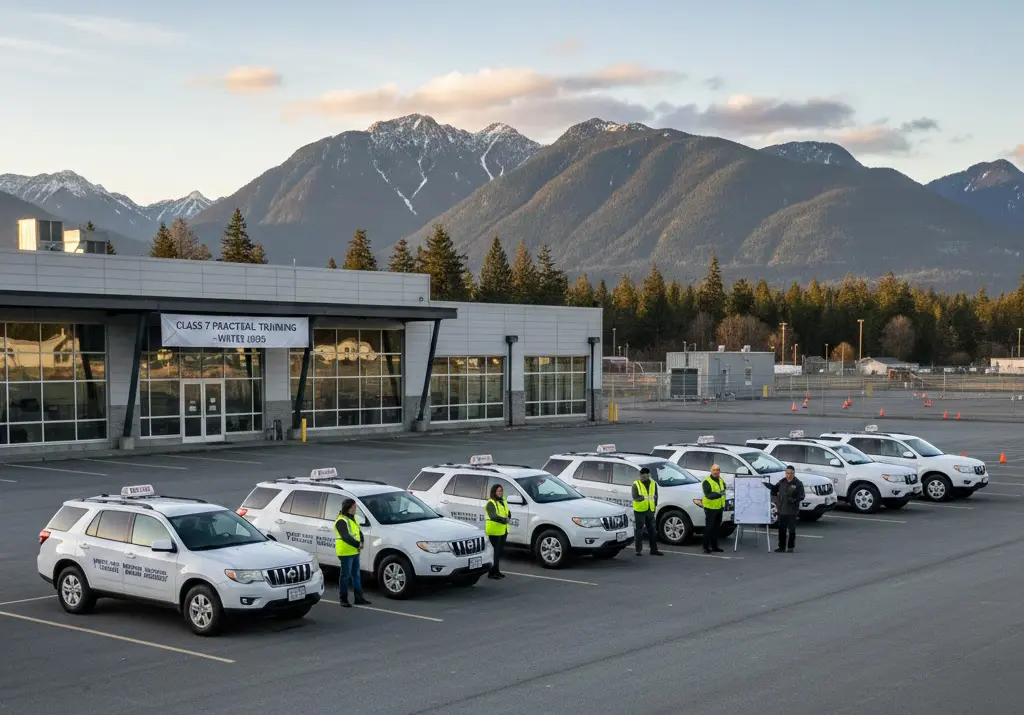
Key Locations and Driving Conditions in Class 7 Training in West Vancouver
Class 7 Training in west Vancouver takes into account the city’s unique driving conditions and key locations, giving learners a realistic experience on the roads they will use daily. Understanding local weather patterns, street layouts, and parking situations is essential for building safe driving habits in this region.
West Vancouver features a mix of hilly streets, coastal roads, and neighbourhoods with varying speed limits, which can present different challenges for new drivers. Practising in these areas allows learners to adapt to inclines, sharp turns, and seasonal conditions such as rain or occasional winter ice. For more detailed guidance on course preparation, refer to Class 7 Training.
Key aspects of local driving conditions include:
- Street Layouts – Hilly streets and curved roads require careful control and awareness.
- Parking Areas – Residential and commercial zones provide opportunities to practise parallel and angle parking.
- Traffic Signs and Signals – Familiarity with local signage helps prevent confusion and enhances safety.
- Weather Conditions – Rain and occasional winter ice require adjustments in braking and turning techniques.
By integrating Class 7 Training in west Vancouver with these local conditions, learners gain hands-on experience that builds both skill and confidence, preparing them for a variety of everyday driving scenarios.
Class 7 Training in West Vancouver: Practical Tips and Local Advice
Class 7 Training in west Vancouver provides learners with practical tips to navigate the city safely and confidently. By following local recommendations, new drivers can better handle diverse road conditions and develop skills that are directly applicable to their daily driving.
Some essential tips for driving in west Vancouver include:
- High-Traffic Streets – Pay attention to lane changes, merging, and pedestrian crossings on busy downtown roads.
- Parking Practice – Take advantage of residential and commercial parking areas to master parallel and angle parking.
- Blind Spots Awareness – Always check mirrors and shoulder areas before turning or changing lanes, especially on hilly or curved streets.
- Intersection Navigation – Approach intersections with caution, watching for pedestrians, cyclists, and local traffic signals.
- Seasonal Adjustments – Adapt your driving to wet conditions in fall and occasional ice in winter to maintain control and safety. For learners interested in advanced defensive driving strategies, Class 4 Training offers techniques that complement real-world challenges in diverse road conditions.
Conclusion and FAQ
Class 7 Training in west Vancouver highlights the importance of learning to drive in real-world conditions. By practising on local streets, from busy downtown avenues to quiet residential lanes, learners gain the confidence and skills needed to navigate the city safely.
Integrating local experience into training allows new drivers to become familiar with traffic patterns, road signs, and seasonal conditions specific to west Vancouver. For additional guidance and resources, learners can explore school zone driving to further enhance their practical driving skills.
Are the Class 7 Training routes in west Vancouver difficult?
The routes combine busy downtown streets and quieter residential roads, with difficulty levels suited to each learner’s experience.
Is this training suitable for new drivers?
Yes, the sessions are local-focused and help build confidence and practical driving skills for beginners.
Do the training routes include high-traffic areas?
Yes, some practice takes place on main streets and busy downtown areas to get learners familiar with real traffic conditions.
Does the training take local weather into account?
Absolutely, routes and exercises consider seasonal conditions, including rain and occasional winter ice.
Where can I find more information on routes and driving tips?
Learners can check related resources and school zone driving for additional practical guidance.


